
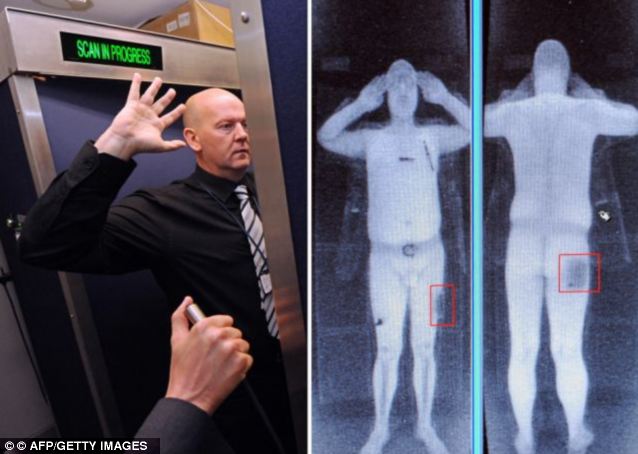
“Critics said the machines invaded passengers’ privacy and the radiation they generate raised the risk of cancer. Some Muslim groups also refused to walk through them on religious grounds. The European Commission ruled that the cancer risk was ‘close to zero’ but, under Brussels legislation, the three-year trial period has elapsed and it has decided not to ‘prioritise’ them for permanent use across the continent. The scanners will be replaced with ‘privacy-friendly’ machines which use radio-frequency technology.”

Did you like this?
Tip Freedomwat.ch Staff with Bitcoin
Tip Freedomwat.ch Staff with Bitcoin
Related posts:
Iran Receives 13 Tons of Gold in Sanctions Relief
In junta-ruled Thailand, reading is now resistance
First U.S. bitcoin ATMs to open soon in Seattle, Austin
Minnesota's Snowbird Tax
Vietnam says bitcoin transactions are illegal
Hong Kong to impose unprecedented ban on pro-independence party
American Dream Slipping as Homeownership at 18-Year Low
Google offers to fund wireless hotspots in San Francisco
Rothschild: 'China's rich always ask how to keep wealth in the family'
Georgia rebuilds Stalin monuments
China sees record capital inflows, considers Tobin tax
Myanmar's Yangon Stock Exchange (YSE) On Track For 2015 Launch
Deportations of fathers begin under Trump executive order
Sweden aims to be cashless society
Clearstream to Give Direct Access to Local Russian Stocks