
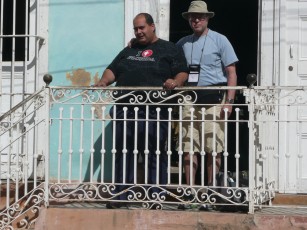
“Castro’s dream for Cuba turned into a nightmare in the early 1990s with the collapse of the Soviet Union and the liberation of Eastern Europe. Cuba’s GDP plunged at least 35% in two years. The Cuban crisis caused its leaders to do some soul searching: how do they adhere to the goals of The Revolution without the subsidies that were masking the inherent flaws of its collectivist experiment. Without the infrastructure—economic, financial, legal, and social institutions to deliver the goods and services to the people–Cuba has slowly been transforming itself into a mixed economy a la the United States and the rest of the developed nations of the world.”
http://murraysabrin.com/uncategorized/cuba-part-two-the-economy-2/

Did you like this?
Tip Freedomwat.ch Staff with Bitcoin
Tip Freedomwat.ch Staff with Bitcoin
Related posts:
Bitcoin Venture Capitalist Roger Ver’s Journey to Anarchism
Marketing Genius: Girl Scout Sells Cookies Outside Marijuana Clinic
The Countdown to the Nationalization of Retirement Savings
Instagrammed ballots may bring stiff penalties
Ohio secretly uploaded all drivers license photos into police database
Vermont State Senate Candidate Accepts Bitcoin Contributions
California Congresswoman Introduces ‘Medical Marijuana Property Rights Protection Act’
Judge Orders California DA To Return Family's Confiscated Life Savings
Overstock CEO Reveals He Now Holds Millions in Bitcoin
Wisconsin GOP lawmakers support arresting federal officials over Obamacare
It’s Now Cheaper to Buy Rather Than Rent in Top 100 U.S. Cities
The Curiously Uncurious Ben Bernanke
White House Preparing Executive Order As A Stand-In For CISPA
Nigel Farage: EU wants to steal money from Cypriots bank accounts
Chinese Brokers Now Selling Margin Loan-Backed Securities