
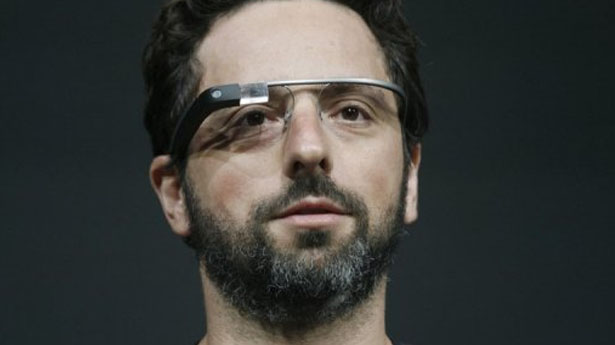
“Add new sensors, as well as imaginative software, into these mini-computers and the impact could be significant. Non-invasive blood testing will soon be a reality, transformative for diabetics who will no longer have to puncture themselves several times a day, as well as those who have to monitor cholesterol. Health apps will be able to monitor those blood test results, and sync with the restaurant as the wearer walks in, to suggest the most suitable low-GI or low-cholesterol meal. The behavioural implications could be profound, but we need to be interested in understanding and exploring the potential so that we are ready for the debate about who has access to this data.”

Did you like this?
Tip Freedomwat.ch Staff with Bitcoin
Tip Freedomwat.ch Staff with Bitcoin
Related posts:
JPMorgan Chase CEO Jamie Dimon is accused of hiding information about big losses
Colorado police officer found guilty on dozens of school sex charges
Palm Beach County teachers seeking gun training, permits in wake of Sandy Hook shooting
Jim Rogers: Short US Government Bonds ‘Right Now’
Cheese shop owner on crusade to block FDA ban on mimolette
Obama moves towards sending military weapons to Somalia
Supreme Court: Warrants Are Generally Needed to Collect Cellphone Location Data
Shaming Those Who Skip Out on Taxes
Bitcoin bugs invest $10m in China's largest exchange
Cyprus stock market woos Chinese listings
Have US police forces become too militarised?
Follow-the-Data Fed May Play Follow-the-Markets to Avoid Shock
12 Days of Bitcoin: How Hard Is it to Buy One?
IRS ramps up audits of taxpayers in Israel
Threatening 'IRS' calls, emails are scams, officials warn