
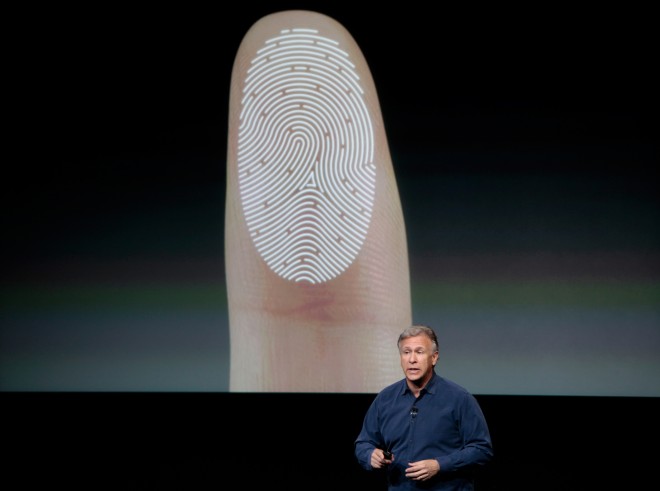
“For the privilege to apply, however, the government must try to compel a person to make a ‘testimonial’ statement that would tend to incriminate him or her. When a person has a valid privilege against self-incrimination, nobody — not even a judge — can force the witness to give that information to the government. But a communication is ‘testimonial’ only when it reveals the contents of your mind. We can’t invoke the privilege against self-incrimination to prevent the government from collecting biometrics like fingerprints, DNA samples, or voice exemplars. Why? Because the courts have decided that this evidence doesn’t reveal anything you know. It’s not testimonial.”
Did you like this?
Tip Freedomwat.ch Staff with Bitcoin
Tip Freedomwat.ch Staff with Bitcoin
Related posts:
BitAccess Bitcoin ATMs Doing $10K in Transactions Daily
TSA Releases Data on Air Marshal Misconduct -- 7 Years After Request
Murray Sabrin: Cuba, part two, the economy
Elon Musk reveals Tesla-to-Apple poaching at about 5:1, welcomes 'iCar'
U.S. Courts Penetrate Domestic Asset Protection Trusts
Online gambling ban won’t stop online gambling, but will stop growth
Harassed for Filming: The Confrontation of Henry Paulson
Consumer demand for gold jumps 53%
19 year Old Boy Suspect: Why does Boston Celebrate Martial Law with Chants of ‘USA, USA’?
George Soros Takes a Giant Put Position Against the S&P 500
British SAS Special Forces “Dressed Up as ISIS Rebels” Fighting in Syria
The Final American Revolution: Adam Kokesh vs. Stefan Molyneux
House Votes to Make It Easier to Fire VA Officials Involved in Scandal
U.S. Court: Journalist Barrett Brown Can't Talk To The Press Any More
Why Is the U.S. Funding International Drug Rehabs Known for Torture and Abuse?