
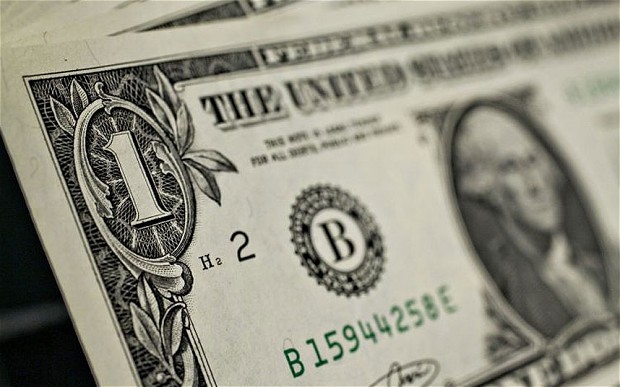
“Britain emerged from the devastation of the First World War an irreparably damaged economic and military power, with crushing debts and a deeply impaired manufacturing sector. The dollar was able quickly to usurp the pound’s position. Final defeat for sterling came with Britain’s decision to leave the gold standard in 1931 – an economically sensible decision but a psychological turning point for sterling from which it never recovered. Lack of any credible alternative means it won’t happen so quickly with the dollar. For all the progress of the last 30 years, China for now remains a much smaller economy than the US and in any case is nowhere near ready financially to assume such a role.”

Did you like this?
Tip Freedomwat.ch Staff with Bitcoin
Tip Freedomwat.ch Staff with Bitcoin
Related posts:
Starbucks Pays $15.4 Million Corporation Tax, Closes Stores Amid British Backlash
Behind the scenes of a gold dealer
Obama Secret Syria Order Authorizes Support For Rebels
Global Debt Exceeds $100 Trillion as Governments Binge, BIS Says
Princeton grad accused of spying for Cuba while employed by State Department
Venezuela will install 30,000 surveillance cameras
The real sign that Greece's financial turmoil is getting worse
Watch: How GPS spoofing can take control of drones and ships
Nuclear weapon missing since 1950 'may have been found'
China Slashes U.S. Debt Stake by $180 Billion, Bonds Shrug
In China, Widening Discontent Among the Communist Party Faithful
Rep. Grayson: 'We Are Not The World's Policemen, Judge, Jury, Or Executioner'
U.S. steps up Pakistan surveillance: ‘black budget’ analysis
Gitmo defendant’s lawyers: CIA gave ‘Zero Dark Thirty’ makers more info than us
Green Party MP Caroline Lucas arrested at UK fracking protest