
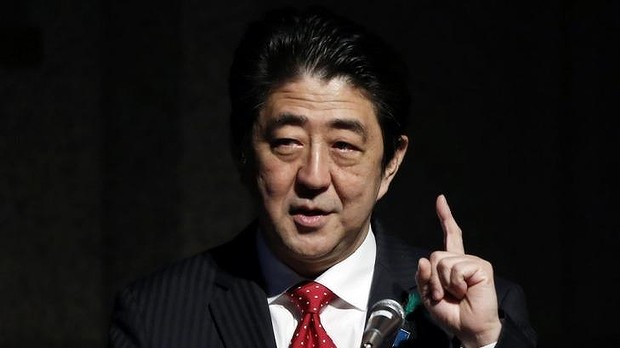
“The election in the western prefecture of Shiga was the first high-profile poll since Mr Abe’s cabinet adopted a resolution ending the ban on exercising ‘collective self-defence’, or aiding a friendly country under attack – the most dramatic change in Japanese security policy in decades. Mr Abe has argued the change is needed to cope with a tough security environment, but the move has stirred angst among many voters wary of entanglement in foreign wars and worried that Japan’s post-war pacifist constitution is being gutted. Tokyo and Beijing have long been at odds over territorial claims and Japan’s military record before the end of the World War II.”

Did you like this?
Tip Freedomwat.ch Staff with Bitcoin
Tip Freedomwat.ch Staff with Bitcoin
Related posts:
Lessons from the drug raid that burned a Georgia toddler
Indian rail is world’s largest ‘open toilet’
Medical Marijuana Achieves ‘Complete Remission’ Of Crohn's Disease With No Side Effects
Bank of Cyprus converts portion of uninsured savings to equity
The greatest food in human history?
Washington ‘Pot Czar’ Mark Kleiman Packs Up
Gov. Christie Blames Regulators He Appointed for Tesla Sales Ban
Unanimous juries for criminal convictions? Supreme Court declines case.
Beijing spends a billion to get China’s music industry rocking
Greek bank stocks hammered again
U.S. allowed Italian kidnap prosecution to shield higher-ups, ex-CIA officer says
Visa CEO Charlie Scharf: Moving at the speed of money
Woman taken down, handcuffed for not showing rental agreement quickly enough
Will buying porn turn out to be bitcoin's killer app?
Egypt grants diplomatic immunity to military officers who led bloody 2013 crackdown