
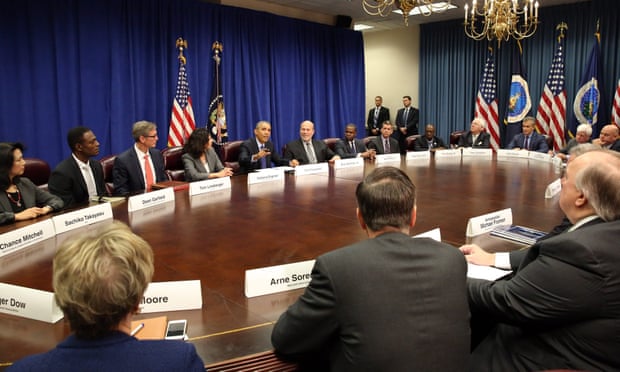
“TPP was negotiated in secret and details have yet to be published. One chapter appears to give the signatory countries (referred to as ‘parties’) greater power to stop embarrassing information going public. The treaty would give signatories the ability to curtail legal proceedings if the theft of information is ‘detrimental to a party’s economic interests, international relations, or national defense or national security’ – in other words, presumably, if a trial would cause the information to spread. The rules also state that every country has the authority to immediately give the name and address of anyone importing detained goods to whoever owns the intellectual property.”
Did you like this?
Tip Freedomwat.ch Staff with Bitcoin
Tip Freedomwat.ch Staff with Bitcoin
Related posts:
Ecuador launches new digital currency after banning competitors
Electronic Updatable License Plates Could Flash "STOLEN" Or "UNINSURED"
Interview with British ‘straight pride’ group removed by copyright takedown notice
Retired cop shoots man dead in movie theater over texting argument
Former Mexico president calls for marijuana legalization
Bitcoin could get boost from Square and Stripe moves
Islands trade quick citizenship for investment
European link tax, compulsory copyright scanning sent back to the drawing board
CIA Director John Brennan Confirmed as Reporter Michael Hastings Next Target
An Afghan Mystery: Why Are Large Shipments of Gold Leaving the Country?
We’re in a worse position than in 2008: Marc Faber
Police on Alert As Merkel to Visit Greece
SWAT team brought in to evict homeowner
Street artist whose mock ads claimed NYPD used spy drones is busted
Argentina Applies Law That Jails Hoarders as Bread Price Surges