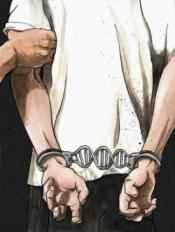
“DNA databases are increasingly being used for more than individual identification. Searching for partial matches can find that a suspect is likely to be the family member of someone in the database. This brings extended families, including many people who have never broken the law in their lives, under direct police surveillance. And the intrusion of privacy represented by being forced to surrender DNA to a police database is high. DNA is qualitatively different from a fingerprint; it holds extremely personal information about lineage, propensity for disease, and countless other traits.”
http://www.biopoliticaltimes.org/article.php?id=6355

Did you like this?
Tip Freedomwat.ch Staff with Bitcoin
Tip Freedomwat.ch Staff with Bitcoin
Related posts:
Jim Rogers on Politics, Money Metals and How to Deal With an Endless Downturn
Bitcoin is going mainstream. Here is why cypherpunks shouldn’t worry.
Don't Photoshop Obama
"Protecting" the Public From Plants -- By Invading Their Homes
What Higher Mortgage Rates Mean in the Real World
When Dominance Leads to Incompetence and Catastrophe
Jacob Hornberger: Massacres, Here and Abroad
Understanding Gold Market Dynamics
Government Entrepreneurship Training?
Government Imposed Disaster: Price Controls in the Wake of Sandy
Patent “Trolls” are Bad. Patents are Worse.
Larger Spending Cuts Would Help the Economy
Chained CPI: Diet COLA for Social Security
Eric Margolis: US Struggle With Iran's Peace Offensive
Hero Joseph Nacchio Is Released from Jail