
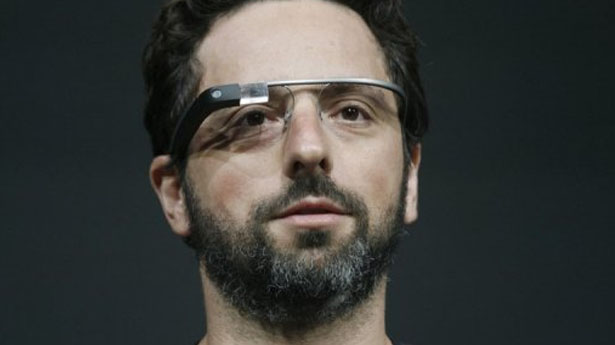
“Add new sensors, as well as imaginative software, into these mini-computers and the impact could be significant. Non-invasive blood testing will soon be a reality, transformative for diabetics who will no longer have to puncture themselves several times a day, as well as those who have to monitor cholesterol. Health apps will be able to monitor those blood test results, and sync with the restaurant as the wearer walks in, to suggest the most suitable low-GI or low-cholesterol meal. The behavioural implications could be profound, but we need to be interested in understanding and exploring the potential so that we are ready for the debate about who has access to this data.”

Did you like this?
Tip Freedomwat.ch Staff with Bitcoin
Tip Freedomwat.ch Staff with Bitcoin
Related posts:
The Bradley Manning verdict is still bad news for the press
Seizing epileptic boy's cannabis oil at Heathrow signed his death warrant: mother
The View From Pyongyang
Amish farmer facing 68 years in prison for selling homemade products
Korea Today - Bitcoin: Currency for the future?
World on the verge of a new industrial revolution: Mass 3D printing
Tax havens explained: How the rich hide money
School districts drop federal lunch program after kids won't eat
Valuations of Hong Kong's stock market operator go interstellar
Bitcoin Innovators Find Fertile Ground in Soft-Touch Switzerland
UK government 'mansion tax' proposal will include property over £2m
Bitcoin on BBC Newsnight - 26/03/2013
Emerging market rout threatens wider global economy
Trade war bailout: $12 billion in emergency aid for farmers hurt by tariffs
John Paulson holds onto gold ETF; Soros buys gold mining shares