
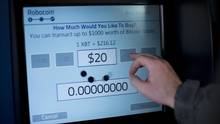
“The case of Bitcoin – a fully convertible, pure digital currency – is more problematic. Earlier this year, the U.S. Treasury department started requiring that all virtual transactions worth more than $10,000 (U.S.) be reported to authorities to prevent virtual currencies being used for money laundering and other illegal purposes. The authors don’t reach a firm conclusion on whether governments should crack down on virtual currencies, pointing out that regulation might stifle innovation. At the same time, they warn that ‘multiple competing platforms creates inefficiency’ that will dissuade people from embracing them.”

Did you like this?
Tip Freedomwat.ch Staff with Bitcoin
Tip Freedomwat.ch Staff with Bitcoin
Related posts:
It's the law: Washington state lawmakers don't get speeding tickets
Report: Casino Billionaire Sheldon Adelson Headed to Israel to Hook-Up with Romney
Egypt battles energy crunch with ban on too-cold air conditioners
Denmark scraps world’s first fat tax [2012]
Brooklyn Businesses: Show Me The Virtual Money
Woman drives 190 miles asleep at the wheel on sleeping medication
Australian Government to establish bank bailout fund with new levy
Federal Court Says Obama NLRB Appointments Violated Constitution
U.S. household stock wealth at highest level since dotcom bubble
Ecuador imposes ‘gag order’ on radio and TV stations
Medical Marijuana Achieves ‘Complete Remission’ Of Crohn's Disease With No Side Effects
NSA infiltrates links to Yahoo, Google data centers worldwide
"Greyjing"? Air pollution fouls Beijing's name
British visitors to US to be 'asked' for passwords and phone contacts at airports
Riot after Chinese teachers try to stop pupils cheating