
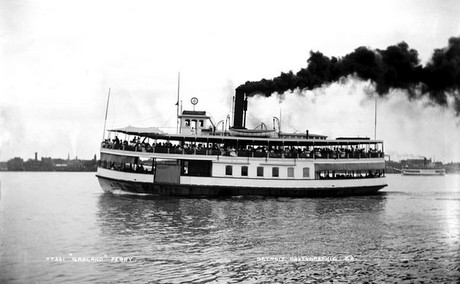
“But, they insisted, they weren’t arguing in favor of a monopoly in the ferry business — no, they pointed out that their permit actually required them to run more frequent ferries if demand so warranted. Therefore there was no danger of a monopoly, because they could be trusted to operate more ferries if need be. This proved that there was no necessity for a new ferry company to compete against them, and that the government should not have granted the second company a permit. This is precisely the same argument made today by existing taxi monopolists who oppose the introduction of Uber and other ride-sharing companies.”
http://fee.org/anythingpeaceful/detail/uber-vs-the-state-1851-edition

Did you like this?
Tip Freedomwat.ch Staff with Bitcoin
Tip Freedomwat.ch Staff with Bitcoin
Related posts:
Aaron Swartz and Intellectual Property’s Bitter-Enders
The next big industry to face digital disruption will be our nations
Kill Wasteful Missile Defense Efforts
Tobacco Speakeasy: Prohibition Lite Is Making RYO Cigarettes All the Rage
Citizenship, identity, mourning loss of identity and moving on …
Fred Reed: The Eye of Sauron
The Peer-to-Peer Economy: Death Blow to the State
David Galland: I'm from the Government, I'm Here to Bend You Over
Crooked Judges Want Your Kids for Cash
How to Become the British Monarch
How the Nazis Used Gun Control
16 Ways to Cut Defense Spending
Bill Bonner: How I Explained Bitcoin to My 94-Year-Old Mother
Kirby Cundiff: Why Do Banks Keep Going Bankrupt?
Stefan Molyneux: Finding Your Tribe