
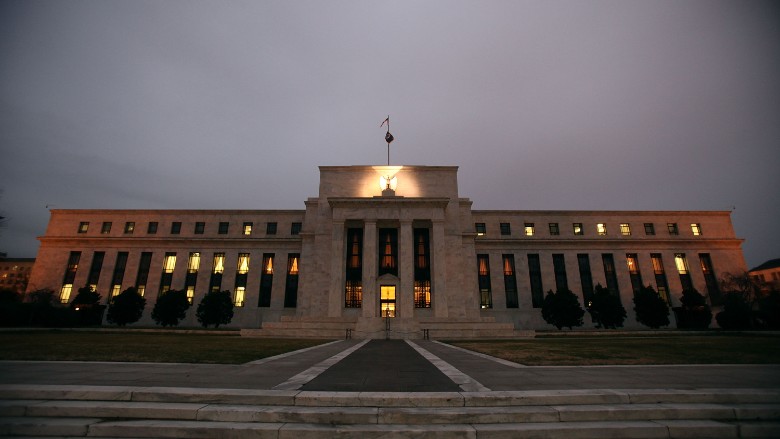
“The Fed’s new restrictions come from the Dodd-Frank Act of 2010, which brought in a wave of reforms after the financial crisis. Under the new rule, banks that are going bankrupt — or appear to be going bankrupt — can no longer receive emergency funds from the Fed under any circumstances. However, it’s important to note that the new rule allows the Fed to judge by its own measures whether a firm qualifies for its emergency aid. The idea is the Fed can still lend to banks during times of emergency, but the bank must be able to pay it back. Yet the true health of a bank in turmoil can be very difficult to assess.”
http://money.cnn.com/2015/11/30/news/economy/fed-adopts-rule-to-end-too-big-to-fail/

Did you like this?
Tip Freedomwat.ch Staff with Bitcoin
Tip Freedomwat.ch Staff with Bitcoin
Related posts:
Insurers predict 100% to 400% Obamacare rate explosion
Drug czar: No state can nullify federal marijuana ban
Idaho may be next state for lands fight with feds
Britain considers ban on bearer shares for G8 transparency [2013]
Special forces set to swarm US Southwest and operate among civilians
Vicco to consider paying police chief in Bitcoin
Canada’s first public pot company has shipment seized by RCMP
Cyprus sees more stability, even bitcoin innovation
Feds subjected New Mexico woman to vaginal, anal drug search
TARP Audit: Housing Recipients Re-Defaulting in Alarming Numbers
Rising home prices a global concern
States Squeezing Amazon Marketplace Sellers For Back Sales Taxes
After 11 years and $1.5 billion, Homeland Security H.Q. to be scrapped
U.S. tax deal jeopardizes Canadians’ privacy
Obamacare, Simplified