“Ron Paul, former congressman and current host of TheRonPaulChannel.com, explains why he’s been advocating competing currencies vs. the U.S dollar. Alternative is a good method; the dollar isn’t going to last, he says.”

“Ron Paul, former congressman and current host of TheRonPaulChannel.com, explains why he’s been advocating competing currencies vs. the U.S dollar. Alternative is a good method; the dollar isn’t going to last, he says.”

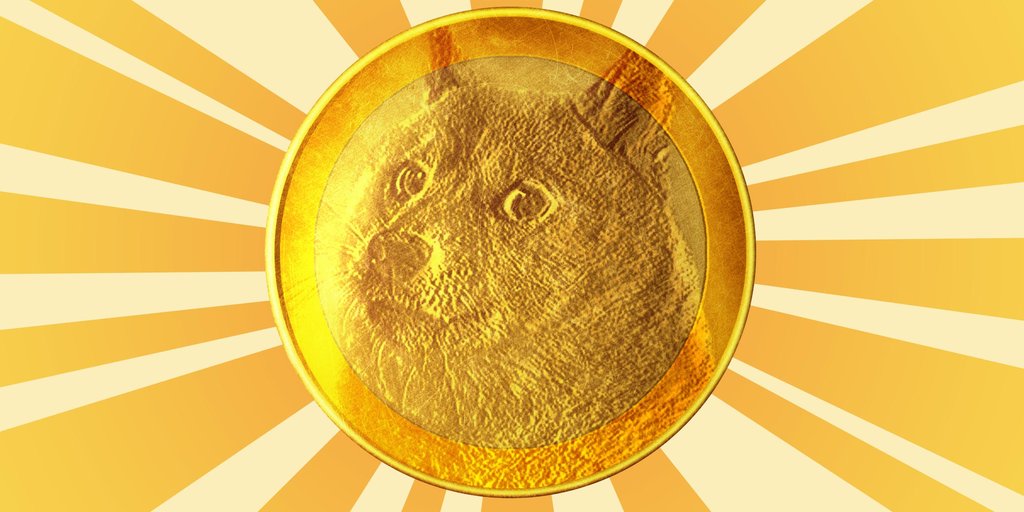
“The statement that Dogecoin poses to us is this: If things really are worth whatever anyone says they’re worth, so are memes. Do we really want to live in a world where a dumb joke about dogs that can’t talk has the same legitimacy as money? Because the more people that take Dogecoin seriously, the more serious it becomes… and the very nature of its silliness encourages us to think seriously about the nature of money and therefore value.”
http://www.dailydot.com/opinion/dogecoin-is-real-cryptocurrency/

“Jeffrey Albert Tucker is the executive editor of Laissez Faire Books. Tucker is also a Distinguished Fellow of the Foundation for Economic Education; an American economist.”

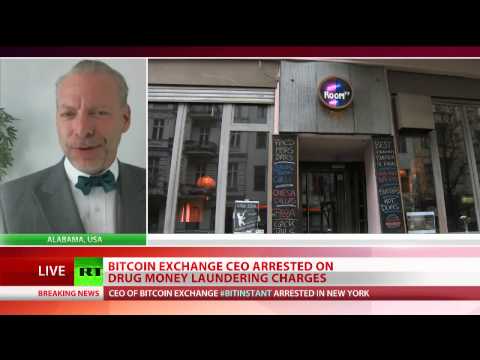
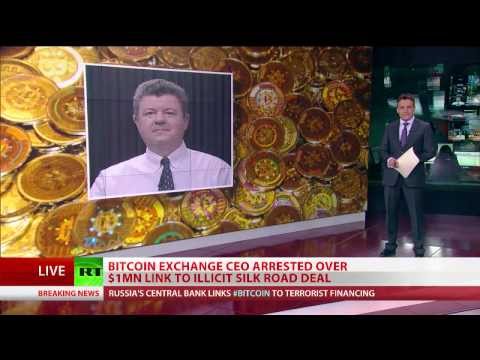
“Mark Thornton appeared in an exclusive interview on RT TV to discuss the arrest of Charlie Shrem, and the motivation behind the U.S. government’s war on Bitcoin and other private digital currencies. Thornton is a senior fellow at the Mises Institute.”
“When combined with war, inflations tear apart the human community. One example is the Great Chinese Inflation of the 1930s and 1940s. Indeed, the destruction of the Chinese monetary system during this period helped Mao Zedong’s communist movement to triumph on the Chinese mainland in 1949. In the nineteenth and early twentieth centuries, Imperial and then Republican China had no central bank. The monetary system was based on a diverse network of private banks operating in the various regions of the country. While copper was widely used in coins, the primary medium of exchange was silver, and the entire Chinese economy functioned on an informal silver standard.”

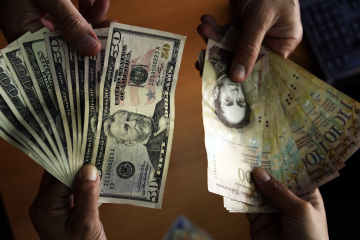
“In socialist Venezuela, those with access to foreign currency can propel themselves into the one percent, flying around the world and living in five-star hotels, while locals earning in Bolívares battle one of the most expensive economies on the planet, struggling to find and afford basics such as cooking oil, chicken and toilet paper. Fed by inflation, the divide has grown rapidly in tandem with the expansion of the black market. Those with dollars, or any hard currency, are able to take advantage of the thriving black market by buying local money either in shady street deals or in white-collar transactions with willing brokers by transferring their money between international bank accounts.”
http://world.time.com/2014/01/23/venezuelas-currency-controls-propels-those-with-connections/

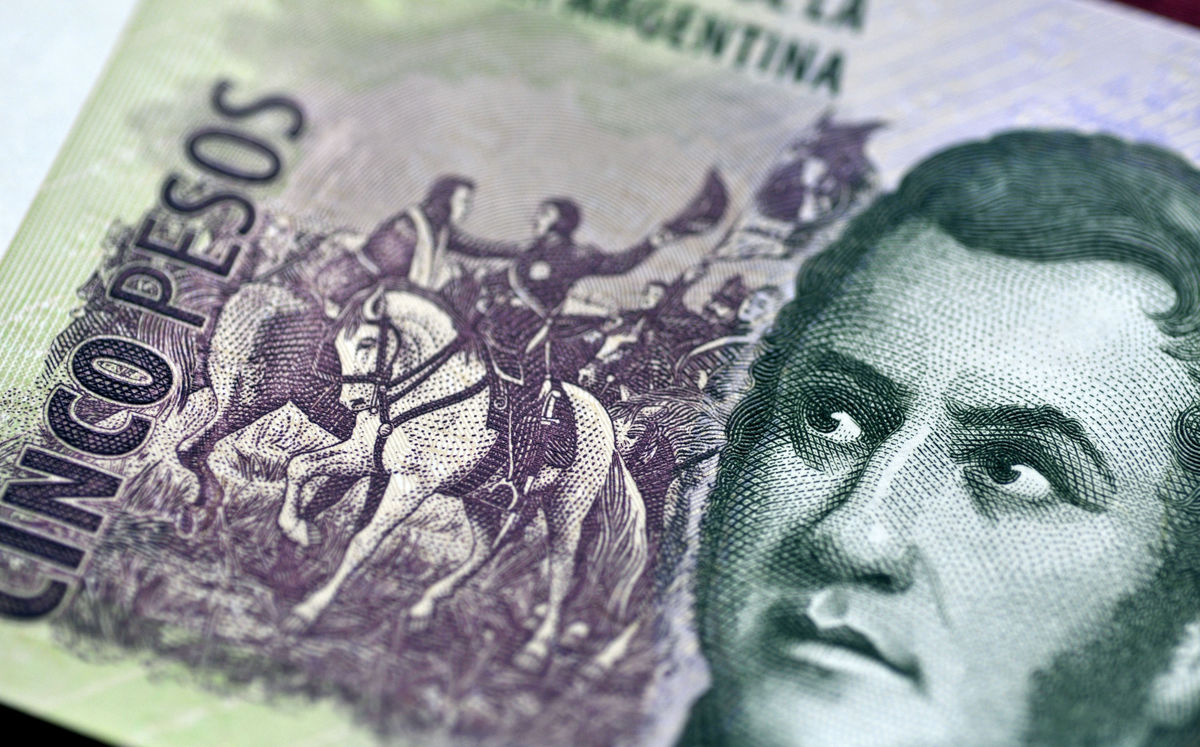
“Cities across Argentina are still unnerved by all the looting that broke out last month after police officers went on strike, protesting salaries eroded by rampant inflation. Residents fumed over blackouts that left them sweltering during a recent heat wave. Then the currency plunged this week, the steepest decline since the nation’s economic collapse in 2002, stirring fears that another major financial crisis could be around the corner. The pressures have been building for years. Generous social spending after the crisis in 2002, like freezing household electricity rates and making payments to poor families, has widened Argentina’s deficit. The country has been printing money, fueling inflation.”

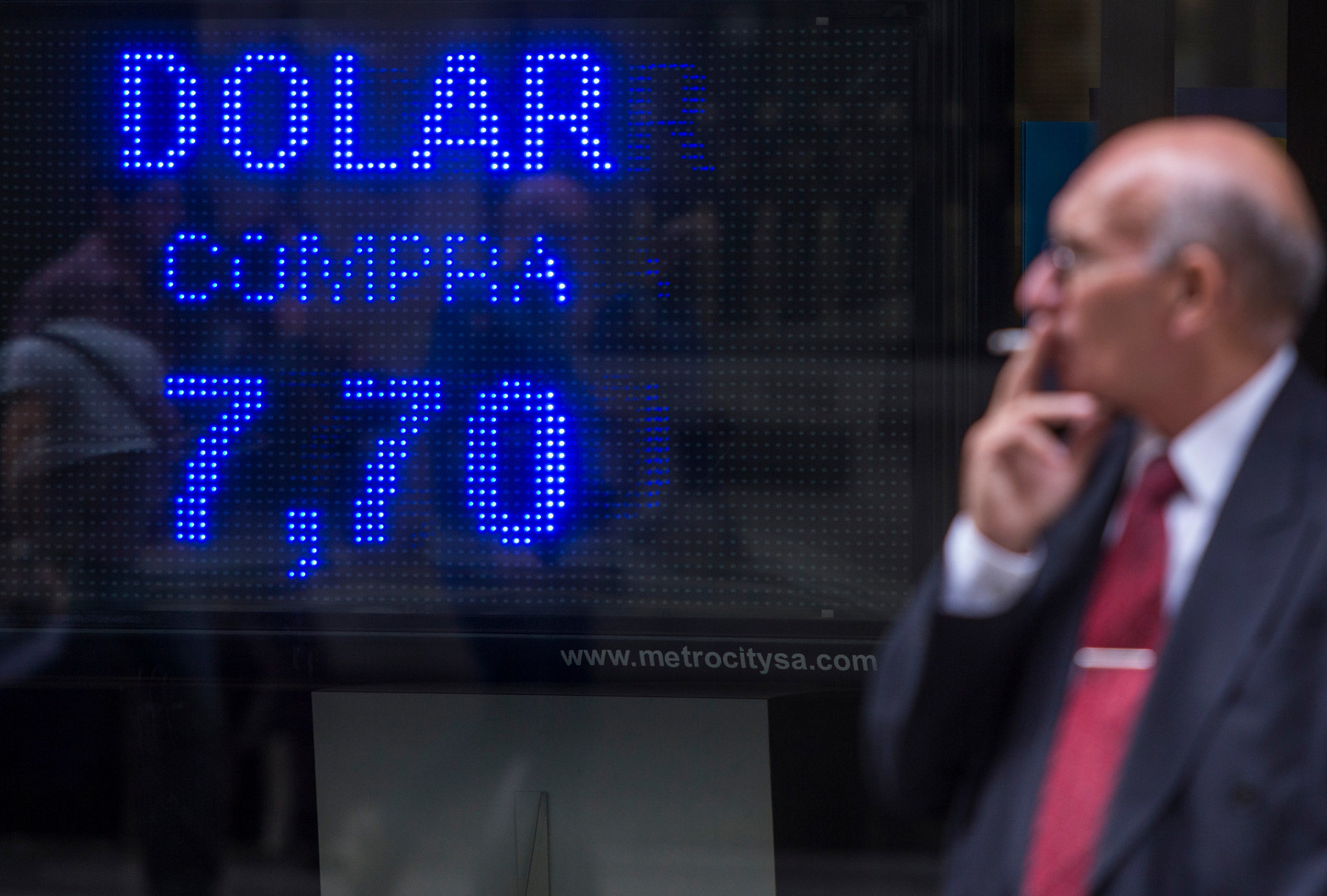
“Argentina devalued the peso the most in 12 years after the central bank scaled back its intervention in a bid to preserve international reserves that have fallen to a seven-year low. President Cristina Fernandez de Kirchner, who said May 6 that the government wouldn’t devalue the peso, is struggling to hold onto dollar reserves which have fallen 31% amid annual inflation of more than 28%. Fernandez has put into effect more than 30 measures to keep money from leaving the country. Her policies have included blocking most purchases of foreign currencies, taxing vacations abroad and online purchases, banning units of foreign companies from remitting dividends, and restricting imports.”

“Some effects of America’s hyper-litigiousness are obvious. For example, when a corporation announces a change in its customer policies as a response to a substantial payout. Or when your neighbor declares bankruptcy because he cannot afford the damages from someone slipping on his icy driveway. Less visible effects can be ‘chilling’ as well. A chilling effect occurs when people avoid the legitimate exercise of their rights because they fear repercussions. A common political example is a journalist who avoids criticizing the government because he fears reprisals, such as being audited by the IRS. An insidious aspect of chilling is that its consequences are often invisible.”
http://dollarvigilante.com/blog/2014/1/16/dont-like-my-article-i-will-sue.html
“Because security is an essential ‘good’ for society, it was and is assumed that security must be handled by government through monopoly or collectivization, and not through the free market. But food is also an essential good. Shelter and energy for warmth are essential goods. Are food, housing and energy best provided by the state or by the free market? What would a free-market security service look like? To begin with, it would focus entirely upon the protection of person and property. That is, it would protect the individual’s interest in safety from criminals and invaders rather than the interests of the state in preserving or extending its authority.”
http://www.thedailybell.com/editorials/34960/Wendy-McElroy-The-Competitive-Provision-of-Security/