
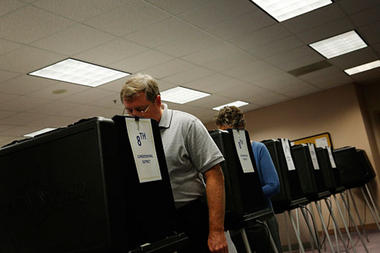
“The 2010 discovery of the Stuxnet cyberweapon, which used a thumb drive to attack Iran’s nuclear facilities and spread among its computers, illustrated how one type of attack could work. Most at risk are paperless e-voting machines, which don’t print out any record of votes, meaning the electronically stored results could be altered without anyone knowing they had been changed. In a tight election, the result could be the difference between winning and losing. A Monitor analysis shows that four swing states – Pennsylvania, Virginia, Colorado, and Florida – rely to varying degrees on paperless machines.”

Did you like this?
Tip Freedomwat.ch Staff with Bitcoin
Tip Freedomwat.ch Staff with Bitcoin
Related posts:
Swiss central bank fights to block public vote on gold backing
On 10th anniversary, Pirate Bay launches PirateBrowser to evade filesharing blocks
World War II bomb found near Berlin’s main train station
Woman drives 190 miles asleep at the wheel on sleeping medication
Merkel booed as she praises austerity cuts in bailed-out Portugal
Low morale continues to plague Homeland Security
Shiller: Housing Market May Have Further to Drop
Police shoot teen skipping school assuming he was burglar
NSA’s Prism Could Cost Global IT Service Market $180 Billion
New PM Modi Tells India’s Hindu Heartland He’s Doing God’s Work
Drones patrolling U.S. borders spark controversy over privacy
Robert Rector: How the War on Poverty Was Lost
Obama on Iran: Diplomacy can work when backed with military threats
New Obamacare effect: working spouses taken off UPS health plans
Why We Should Scam the Scammers