
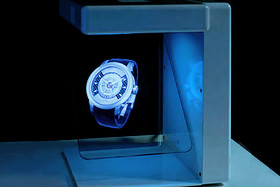
“Imagine buying a watch at home online using a hologram 3D display that allows you to ‘try’ it on. Or imagine having a nut allergy, going to the grocery store, and having which products to avoid highlighted. Technical innovation and falling costs mean holograms will likely be used by retailers in the next decade to personalize the shopping experience and create a virtual environment, said chip giant Intel’s futurist Brian David Johnson in an interview. Last month, MIT researchers released their findings in the journal Nature that showed how to build an optical chip that cost only about $10 and can produce color holographic-video displays.”

Did you like this?
Tip Freedomwat.ch Staff with Bitcoin
Tip Freedomwat.ch Staff with Bitcoin
Related posts:
Georgia Court Smacks Down Police Argument That Traffic Stop Was 'Voluntary'
Papers Please: Colorado Cops Declare War on Super Bowl
JFK and the Unspeakable: Why He Died and Why It Matters
How To Make Things Worse: Value-Added Tax
Unit 731: How Japan’s Germ Warfare Unit Ended Up Working for the US
This Is What Happens When You Make It Difficult for Firms to Hire Youth
California poised to implement first electronic license plates
Top Ten Cities With the Most Multi-Millionaires
LBJ Admits Assassination of Diem and Talks of the Consequences
58,000 Californians Will Lose Health Care Insurance in 2014.
Don’t Worry, the Government Still Has Plenty of Surveillance Power
Montana Voters Nullify Obamacare Mandates
Are cryptocurrencies the new dotcom stocks?
He Beat the IRS in Court, But They Still Won't Make Him Whole
Trump's Drug Budget Doubles Down on the War on Drugs