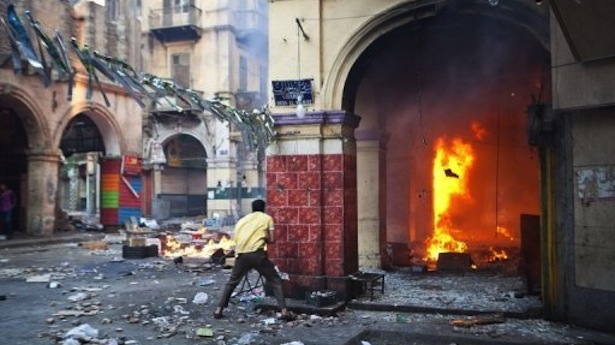
“For decades, the Islamist group thrived in the shadows in the Arab world’s most populous nation. In the years leading up to the 2011 overthrow of president Hosni Mubarak, it stepped carefully into the limelight, fielding parliamentary candidates as independents. But it was only after the uprising that it took centre-stage, winning nearly 50 percent of seats in parliament and then Egypt’s first free presidential vote, which brought Mohamed Morsi to office. Its fall from grace since has been spectacular, with its top leaders now in jail and hundreds of its supporters killed in clashes with security forces since Morsi’s July 3 ouster by the army after a wave of mass protests.”

Did you like this?
Tip Freedomwat.ch Staff with Bitcoin
Tip Freedomwat.ch Staff with Bitcoin
Related posts:
Mubarak-era doctors ordered to operate on protesters ‘without anesthetic’
All Ears: Always-On Listening Devices Could Soon Be Everywhere
Palm Beach County teachers seeking gun training, permits in wake of Sandy Hook shooting
UN to investigate legality of U.S drone strikes
Commerce Secretary Blames ‘Profiteering’, Not Tariffs, For Higher Prices
Myanmar says it ends decades of media censorship
Cop who fatally shot unarmed 17-year-old boy was sworn in just 90 minutes before
Zuckerberg voices frustration with Obama over NSA
Judge: Bozeman police intentionally erased audio in excessive force case
When the Government Went After Dr. Spock
Russia Will Probably Hold Rates After Surprise Inflation Jump
Bitcoins cannot be used in Russia - Prosecutor General’s Office
Guy Who Started Alabama’s Secession Petition Wants His Topless Car Wash Back
Australian firm launches ‘anti-shark’ wetsuits
Woolly mammoth DNA may lead to a resurrection of the ancient beast