
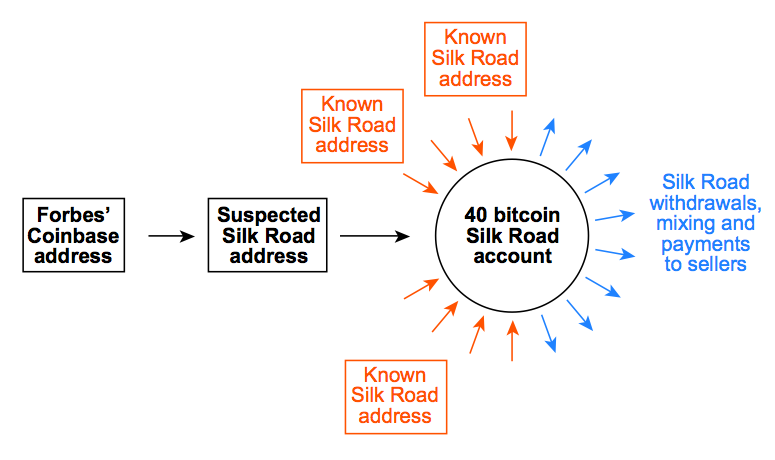
“To be clear, we weren’t caught by law enforcement–so far at least, our experiment last month in ordering small amounts of marijuana from three different Bitcoin-based online black markets hasn’t resulted in anyone getting arrested. But a few weeks after those purchases, I asked Sarah Meiklejohn, a Bitcoin-focused computer science researcher at the University of California at San Diego, to put the privacy of our black market transactions to the test by tracing the digital breadcrumbs that Bitcoin leaves behind. The result of her analysis: On Silk Road, and possibly on smaller competitor markets, our online drug buys were visible to practically anyone who took the time to look.”
Did you like this?
Tip Freedomwat.ch Staff with Bitcoin
Tip Freedomwat.ch Staff with Bitcoin
Related posts:
‘Six Californias’ plan doable, could be on November ballot
U.S. spying still under shadow of Iraq intelligence failures
White House dodges questions of Egyptian ‘coup’ as military aid continues
Biden urges end to hacking, human rights abuses by China
Michaels retailer probing possible customer data breach
Egypt TV head denies inciting president’s murder
After Bold Step on Syria, French Leader Finds Himself Dismissed as Lackey
Russia opens way to missile deliveries to Iran, starts oil-for-goods swap
DNA database not so anonymous on the Internet: study
Minnesota's Snowbird Tax
NJ gov. pension double-dippers take home $74 million in 2014
Have US police forces become too militarised?
Amazon launches online art gallery
U.S. Quits UN Human Rights Council Because It’s Not Pro-Israel Enough
US prosecutors ponder what to do with Silk Road Bitcoin hoard