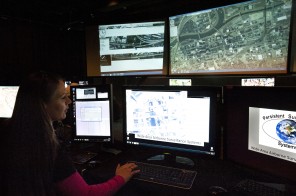
“As Americans have grown increasingly comfortable with traditional surveillance cameras, a new, far more powerful generation is being quietly deployed that can track every vehicle and person across an area the size of a small city, for several hours at a time. Although these cameras can’t read license plates or see faces, they provide such a wealth of data that police, businesses and even private individuals can use them to help identify people and track their movements. Defense contractors are developing similar technology for the military, but its potential for civilian use is raising novel civil liberties concerns.”

Did you like this?
Tip Freedomwat.ch Staff with Bitcoin
Tip Freedomwat.ch Staff with Bitcoin
Related posts:
In U.S., Perceived Need for Third Party Reaches New High
Kim Dotcom poised for return with Megaupload successor
How A Teacher Made $1 Million Selling Lesson Plans
Santa Ana Police Officer Shot, Killed Unarmed Homeless Man
Interest in BitCoin, Fledgling Electronic Currency, Grows
2nd trial begins for officer accused of robbing motorists
Amid food crisis, Venezuelan president Maduro launches "Salsa Hour" radio show
Your Computer Is Watching You: AOL Rolls Out Emotion Tracking
Legal Marijuana Faces Another Federal Hurdle: Taxes
Drug use doubles among U.S. baby boomers and seniors
Zurich children's hospital halts circumcisions
Eric Holder Owes the American People an Apology
German spy service to monitor Internet traffic ‘as closely as possible’
Irvington police chief paid $115K while suspended
White House Granted Itself ‘High Security Risk’ Healthcare.gov Waiver