
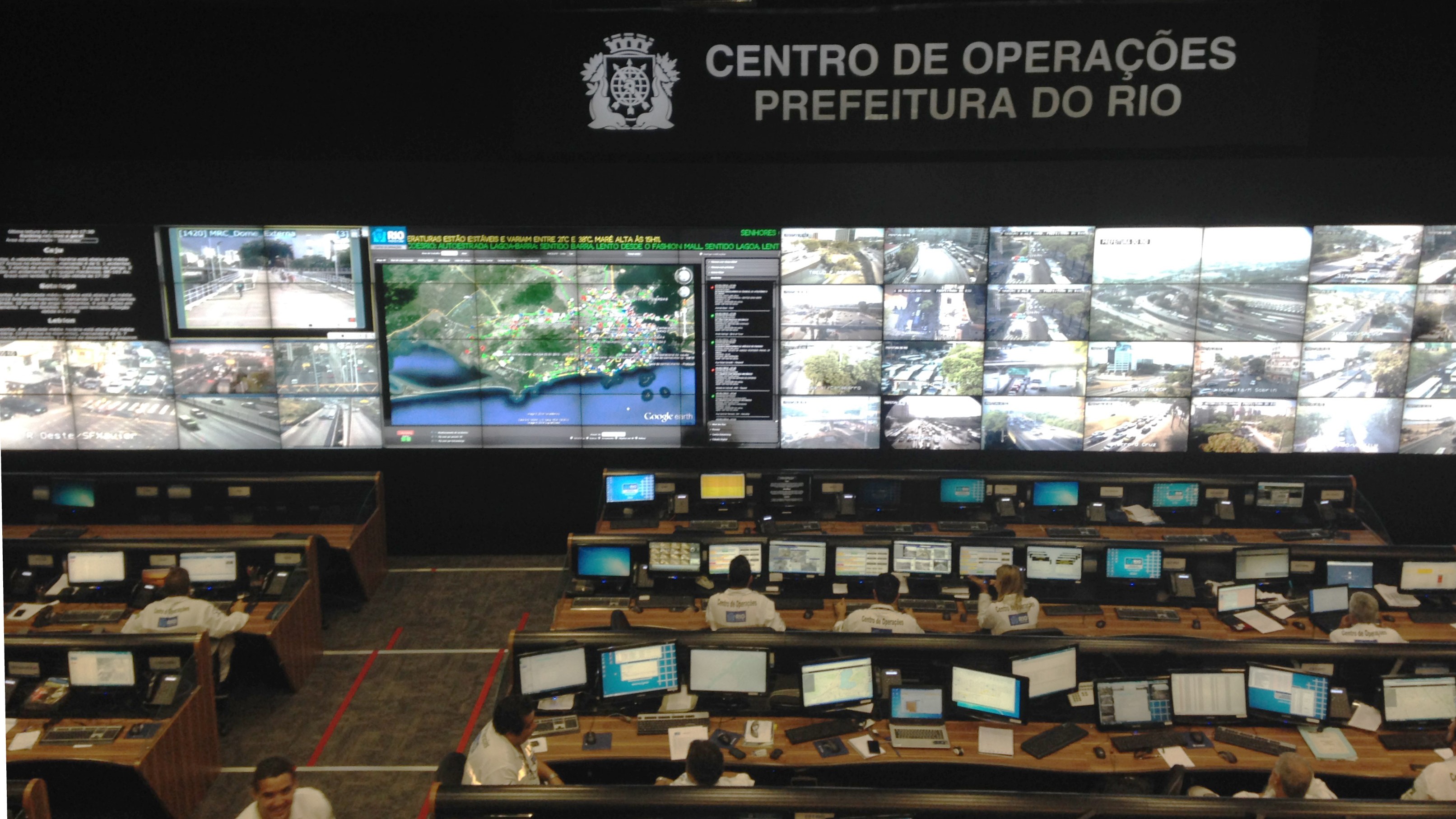
“Planners in Rio de Janeiro are watching the aggregated data feeds of thousands of smartphones being walked or driven around a city, thanks to two popular travel apps, Waze and Moovit. The goal is traffic management, and it involves swapping data for data. More cities are lining up to get access, and while the data the apps are sharing is all anonymous for now, identifying details could get more specific if cities like what they see, and people become more comfortable with being monitored through their smartphones in return for incentives. The app can tell how fast a driver is moving and even get a complete record of their driving history.”
Did you like this?
Tip Freedomwat.ch Staff with Bitcoin
Tip Freedomwat.ch Staff with Bitcoin
Related posts:
The Hole in Our Collective Memory: How Copyright Made Mid-Century Books Vanish
Lord Rothschild takes £130m bet against the euro
Appeals court upholds Fed's 21-cent cap on retailer 'swipe fees'
Goldman's BRIC Era Ends as Fund Folds After Years of Losses
60 Minutes: Crude Solution
Six ways Congress may reform NSA snooping
CIA may target Syrian extremists with drones: LA Times
Walmart tells India it can’t buy enough local products for new supermarket
Fed looks at imposing exit fees on bond funds
Cop charged with stealing from home he was sent to check on
Forbes: 1.6 Billion Rounds Of Ammo For Homeland Security? It's Time For A National Conversation
1 in 4 Americans is saving nothing for retirement
Gitmo defendant’s lawyers: CIA gave ‘Zero Dark Thirty’ makers more info than us
Obama rebukes North Korea over nuke test and calls for ‘swift’ and ‘credible’ action
AT&T paid for access to 4 billion call records a day for federal, local drug investigations