
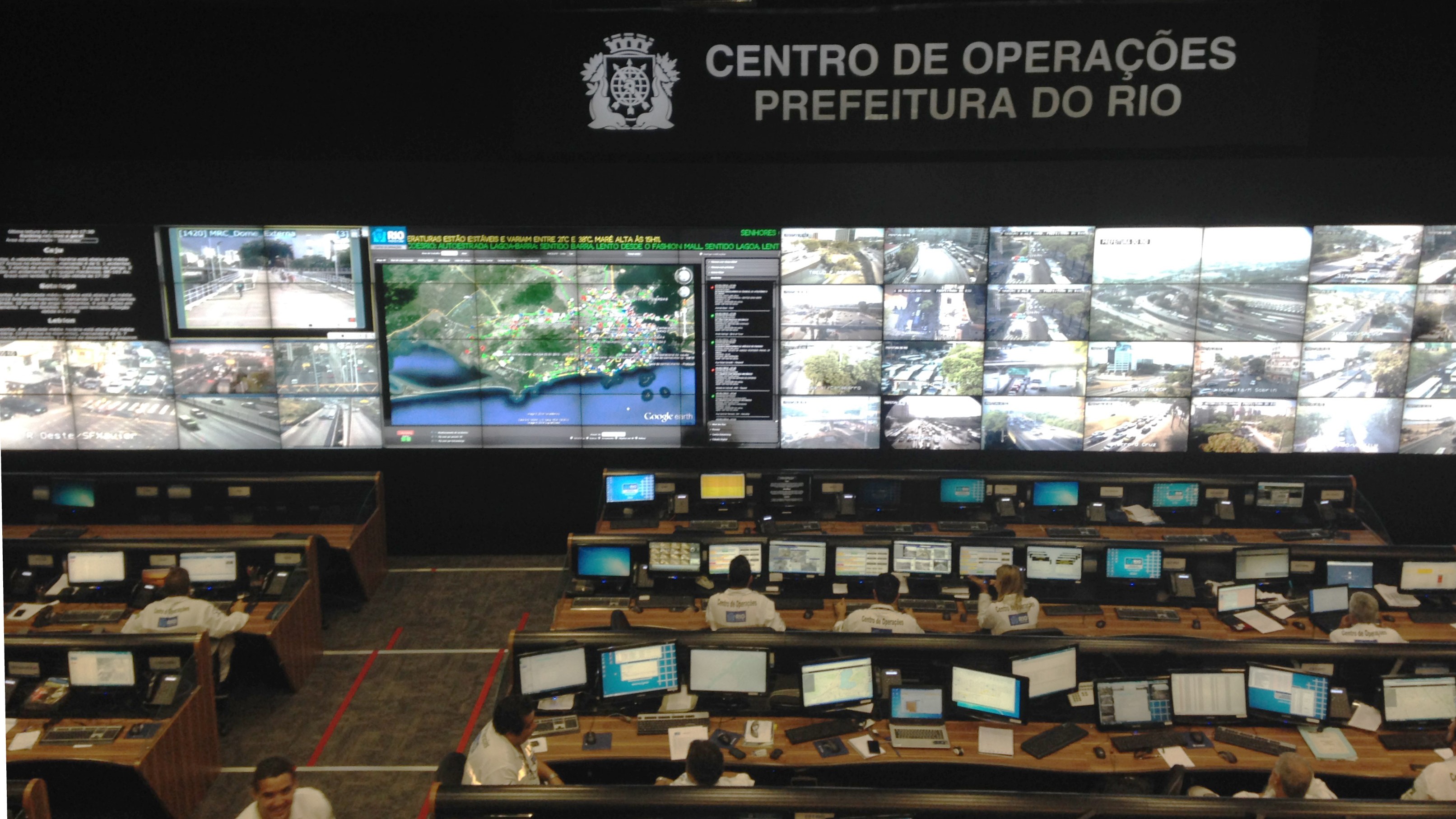
“Planners in Rio de Janeiro are watching the aggregated data feeds of thousands of smartphones being walked or driven around a city, thanks to two popular travel apps, Waze and Moovit. The goal is traffic management, and it involves swapping data for data. More cities are lining up to get access, and while the data the apps are sharing is all anonymous for now, identifying details could get more specific if cities like what they see, and people become more comfortable with being monitored through their smartphones in return for incentives. The app can tell how fast a driver is moving and even get a complete record of their driving history.”
Did you like this?
Tip Freedomwat.ch Staff with Bitcoin
Tip Freedomwat.ch Staff with Bitcoin
Related posts:
Peru devotes $35 million to protect coffee farmers from fungus
Doctors caught on video using household drills in Moldovan state-run children’s hospital
Aereo could bring down broadcast TV
Anger over East German medical ‘human guinea pigs’
How Congress and drug company lobbyists worked to neutralize the DEA
Dodd-Frank Creates A Prebuilt Loan Predicament
Phone Records of AP Journalists Seized by U.S. Government
Cyprus bank controls to last a month, minister says
China bubble in 'danger zone' warns Bank of Japan
Purged Saudi royals must cough up 70% of their wealth to be freed
Norway Gets U.S. Help Chasing Citizens Dodging Income Taxes
Microsoft joins FBI in 'major assault' on one of world’s largest cyber crime rings
Home Depot Sending 20,000 Part-Timers to Health Exchanges
Swiss government agrees to settle tax evasion dispute with US
France Targets Deficit Cut With Tax-Hiking Budget