
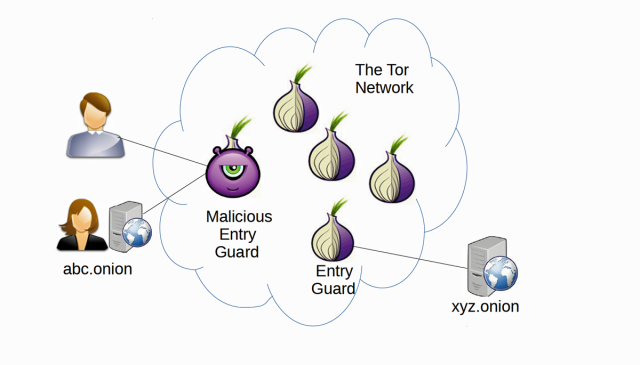
“Computer scientists have devised an attack on the Tor privacy network that in certain cases allows them to deanonymize hidden service websites with 88 percent accuracy. Hidden services allow people to host websites without end users or anyone else knowing the true IP address of the service. The deanonymization requires the adversary to control the Tor entry point for the computer hosting the hidden service. It also requires the attacker to have previously collected unique network characteristics that can serve as a fingerprint for that particular service. The new research underscores the limits to anonymity on Tor, which journalists, activists, and criminals alike rely on to evade online surveillance.”

Did you like this?
Tip Freedomwat.ch Staff with Bitcoin
Tip Freedomwat.ch Staff with Bitcoin
Related posts:
N.H. State Rep Views Bitcoin As Legitimate Currency Competitor
40% of U.S. on Benefits; More Receive Benefits Than Full-Time-Employed
Health Insurance Premiums Continue To Rise Under Obamacare
Tons and Tons of Security Cameras Are Wide Open to Hackers
JPMorgan Chase Patents 'Bitcoin-Killer'
300 Year Old Russian Watch Factory Raketa Accepts Bitcoins
Hungary Now Imposes Tax On Non-Resident Citizens
International Bank Transfers: Banks’ Ugly Secret and Why Bitcoin Really Matters
Bitcoin - The Digital Black Market: Anonymous and Uncensored
How the Top 5 PC Makers Open Your Laptop to Hackers
Australian Gov Now to Seize People's Live Bank Accts – If 'Inactive'
Are Dividends Overrated?
Knife Control Lobby Considers Response to Mass Knifings at a Texas College
Christian Bishops Kidnapped by US-Allied Syria Insurgents
Malaysian Central Bank Has No Plans To Regulate Bitcoin