
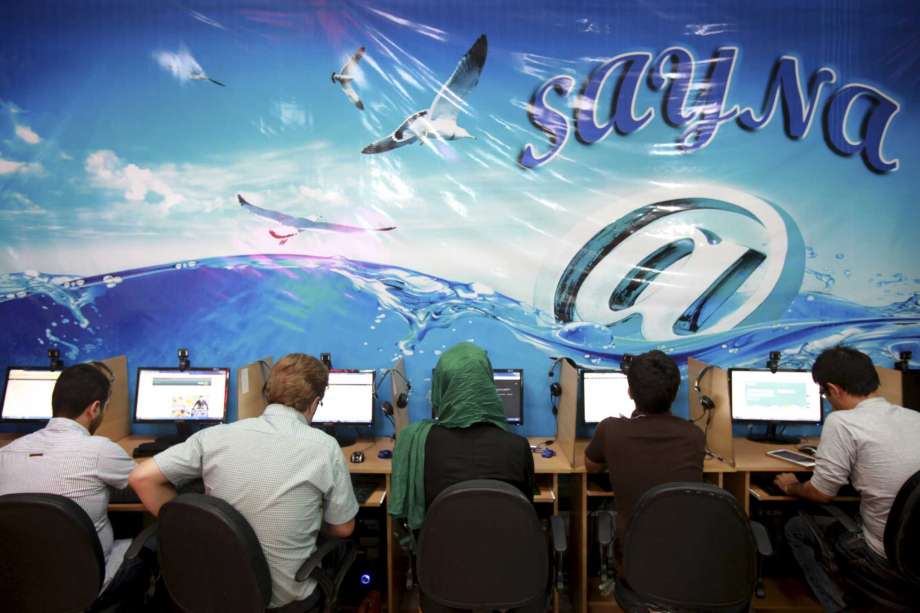
“The government succeeded in suffocating the flare-up in part by shutting off key social media and messaging apps, but the lesson was clear: The same oxygen that can resuscitate commerce can also give breath to potential revolt. Authorities’ solution has been to create a so-called ‘halal net,’ Iran’s own locally controlled version of the internet aimed at restricting what the public can see. As Iran approaches the 40th anniversary of the revolution that brought its cleric-led rule to power, how it handles the power of cyberspace will be crucial to its future, determining whether it moves to greater openness or seals itself off from the world.”

Did you like this?
Tip Freedomwat.ch Staff with Bitcoin
Tip Freedomwat.ch Staff with Bitcoin
Related posts:
Wildlife trafficker kills 5 crocodiles, 90 rare birds as police descend on his compound
Centuries-old disfiguring plague breaks out due to the war in Syria
OECD seeks inspiration from FATCA model
Donald Trump gets into crowdfunding
Key evidence in Maricopa County Jail death suit of Deborah Braillard 'destroyed'
Syrian Christians fear rise of jihadist rebels
On 10th anniversary, Pirate Bay launches PirateBrowser to evade filesharing blocks
UN report: Afghan insurgents use marijuana fields as hiding places
Report: TSA employee misconduct up 26% in 3 years
Japan sends talking ‘companion’ robot to the International Space Station
U.S. Military Is Sent to Jordan to Help With Crisis in Syria
Warren Buffett plans $2 billion a year Australian spending spree
Venezuela Stock Market Up 313% In 2013
8-child family defies China’s one-child policy
Switzerland signs OECD tax convention to end banking secrecy