
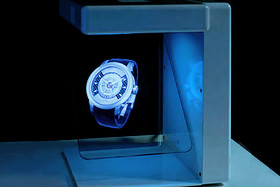
“Imagine buying a watch at home online using a hologram 3D display that allows you to ‘try’ it on. Or imagine having a nut allergy, going to the grocery store, and having which products to avoid highlighted. Technical innovation and falling costs mean holograms will likely be used by retailers in the next decade to personalize the shopping experience and create a virtual environment, said chip giant Intel’s futurist Brian David Johnson in an interview. Last month, MIT researchers released their findings in the journal Nature that showed how to build an optical chip that cost only about $10 and can produce color holographic-video displays.”

Did you like this?
Tip Freedomwat.ch Staff with Bitcoin
Tip Freedomwat.ch Staff with Bitcoin
Related posts:
DHS Raids Gun Collector – Confiscates Nearly 1,500 Guns – No Charges Filed
France's Financial Transaction Tax Experiment Is Turning Into The Worst Kind Of Failure
Police in Springfield, Mass. adopt Iraq-style ‘counterinsurgency’ tactics
New Jersey kicks out Sandy volunteers because they aren’t unionized
Trump Betrays Trumpism: Syria in the Crosshairs
A U.S. Soldier Died in Niger. What on Earth Are We Doing There?
FinCEN Fines Ripple Labs for Bank Secrecy Act Violations
Polish Central Bank Paid YouTubers for Anti-Bitcoin Campaign
Burrito Company Offers Bond Giving Investors A Free Burrito Every Week
When Proactive Policing Becomes Harassment
James Clapper Says Feds Will Start Releasing Some FISA And NSL Metadata
Why Police Prefer Drug Raids Over Investigating Violent Crimes
Harvard Meta-Study Indicates Fluoride Reduces Children's IQ
Meet the traveling Bitcoin ATM
SecondMarket’s bitcoin offering defines new asset class