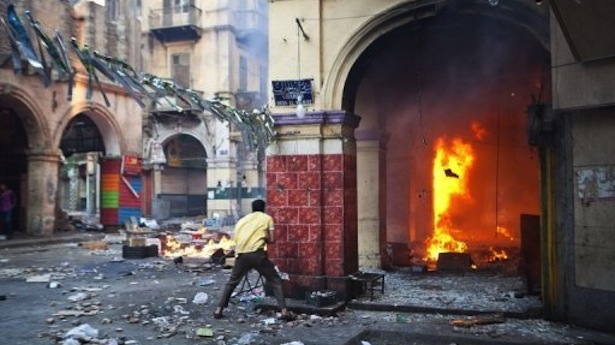
“For decades, the Islamist group thrived in the shadows in the Arab world’s most populous nation. In the years leading up to the 2011 overthrow of president Hosni Mubarak, it stepped carefully into the limelight, fielding parliamentary candidates as independents. But it was only after the uprising that it took centre-stage, winning nearly 50 percent of seats in parliament and then Egypt’s first free presidential vote, which brought Mohamed Morsi to office. Its fall from grace since has been spectacular, with its top leaders now in jail and hundreds of its supporters killed in clashes with security forces since Morsi’s July 3 ouster by the army after a wave of mass protests.”

Did you like this?
Tip Freedomwat.ch Staff with Bitcoin
Tip Freedomwat.ch Staff with Bitcoin
Related posts:
Man's lawsuit contends his son accosted by deputy over toy pistol
Police chief, police captain, firefighter sentenced for child sex offenses
Cherokee County teen shot by police sniper, parents speak out
Detroit Bus Co. moving in the right direction
Risky Loans Shunned by Banks Are Booming in Wall Street's Shadow
US plan calls for more scanning of private Web traffic, email
Annals of the Security State: More Airplane Stories
Average Swiss wealth hits record high in dollar terms
Aussie Mum In Anti-Bitcoin Crusade After Son's Death
ACLU Sues U.S. Govt Over Secret NO-FLY List
Homeland Security training TSA workers to save themselves in shooting?
Police serving search warrant at home of pro-gun activist Adam Kokesh
Overseas adoptions rise -- for black American children
Canines’ Cancer-Sniffing Snouts Showing 90%-Plus Accuracy
Kansas couple: Indoor gardening prompted pot raid