
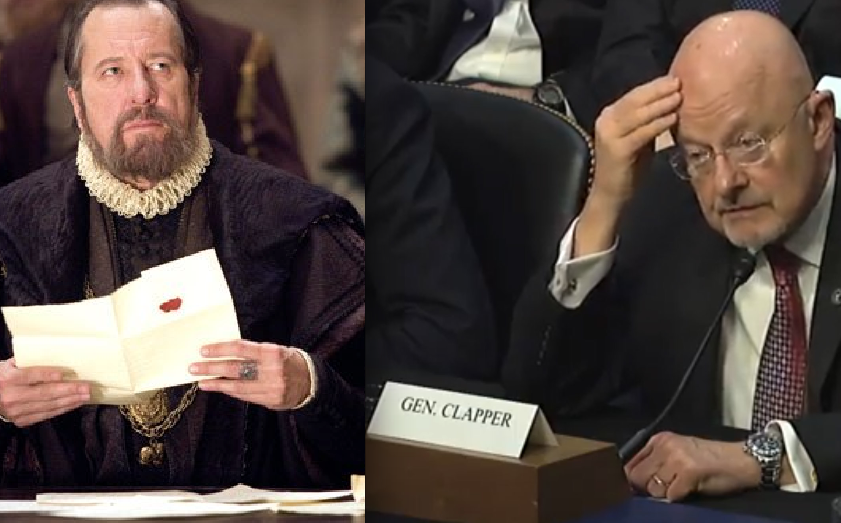
“Letters to or from England were carried by private ship captains, who often hung a bag in the local coffeehouse to receive letters for shipment. The price was generally a penny for a single letter and two pence for a double letter or parcel. In 1591 the Crown had issued a proclamation granting itself the monopoly of all foreign mail, and in 1609 the Crown’s proclamation extended its own monopoly to all mail foreign or domestic. The purpose of this postal monopoly was quite simple: to enable governmental officials to read the letters of private citizens in order to discover and suppress ‘treason’ and ‘sedition.'”

Did you like this?
Tip Freedomwat.ch Staff with Bitcoin
Tip Freedomwat.ch Staff with Bitcoin
Related posts:
The Myth of Journalistic Objectivity
Canola Oil: Good or Bad?
A Commissarina Rises: Wendy J. Olson's Reign of Terror
The Liefare-Warfare State: A History Of U.S. False Flag Events
Khan Academy's Challenge to State-Certified Educators
On Translating Securityspeak into English
6 Groups that Will Win Big From a War with Syria
What If Stocks, Bonds and Housing All Go Down Together?
The Economics Behind the U.S. Government's Unwinnable War on Drugs
Money Will Be Digital — But Will It Be Free?
Is the Gold Market Manipulated?
The Social Deterioration of Funny, Floating Money
The Compulsion To Rule
Fifty States of Fear
Don't Eat These, Ever: What’s in Your Condiments?