
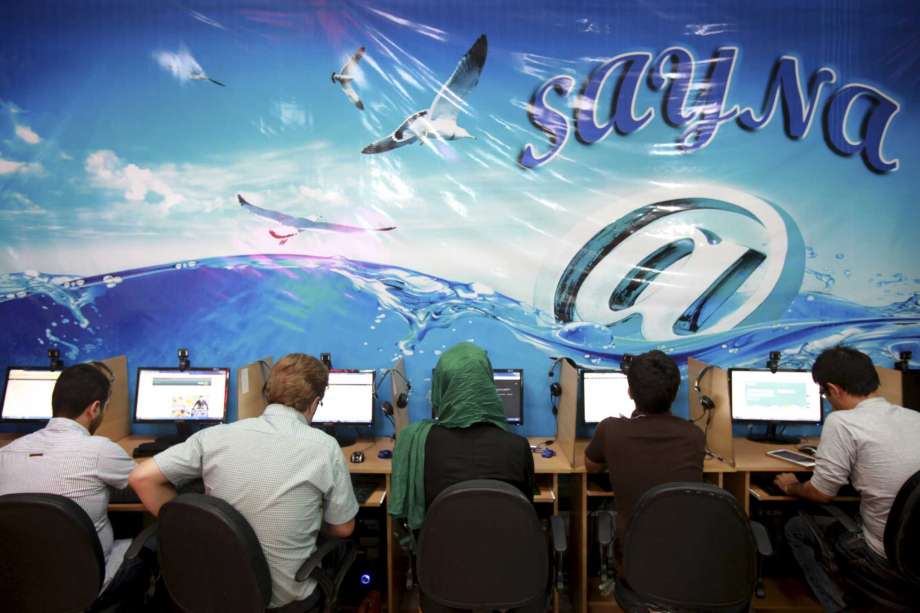
“The government succeeded in suffocating the flare-up in part by shutting off key social media and messaging apps, but the lesson was clear: The same oxygen that can resuscitate commerce can also give breath to potential revolt. Authorities’ solution has been to create a so-called ‘halal net,’ Iran’s own locally controlled version of the internet aimed at restricting what the public can see. As Iran approaches the 40th anniversary of the revolution that brought its cleric-led rule to power, how it handles the power of cyberspace will be crucial to its future, determining whether it moves to greater openness or seals itself off from the world.”

Did you like this?
Tip Freedomwat.ch Staff with Bitcoin
Tip Freedomwat.ch Staff with Bitcoin
Related posts:
D.C. Speed cameras: Traffic enforcement or highway robbery?
Snowden Gets Whistleblower Award in Germany
Filibuster change clears way for White House to stack ObamaCare panel
Shiller: Housing Market May Have Further to Drop
FTC Settles Google Antitrust Investigation
Pentagon to Start Awarding Medals for Drone Strikes and Cyberattacks
Cyprus lifts all capital controls as banks recover
Researcher: Facebook spammers make $200 million just posting links
Trump in Line to Receive Top U.S. Intelligence Secrets
Cop Tasers 10-Year-Old Boy After Refusing To Clean His Patrol Car
U.S.-backed rebels blow up U.S. Humvee with U.S.-supplied missiles
Canadian gov't: Private ATMs vulnerable to money-laundering
Inside the Bitcoin advocates’ closed-door meeting with federal regulators
Oklahoma City says sex offenders can't live in tents at trailer park
Despite all-time highs, many investors are cashing out of stock mutual funds