
“This most inefficient of agencies filled with self-loathing employees and merciless unions is now to be specially dedicated to helping poor people with banking services and so-called payday loans. In this article posted at the Huffington Post, Senator Warren indicates that she is going to try to provide the USPS with the opportunity to offer these additional services. The upshot will be predictable, of course. USPS will do to poor people just what it has done to the letter-receiving public … provide ever diminishing services for ever more expensive fees: a panacea neither for USPS nor for the working poor now receiving the services they need from various private-market vendors.”

Tag Archives: Middle Class Dismissed
Inflation Fuels Crises in Two Latin Nations

“Mrs. Kirchner’s cabinet reiterated threats to fine or shut down businesses that raise prices. In Venezuela, soldiers forced retailers to sell electronics goods at bargain-basement prices; one general guaranteed plasma televisions to all Venezuelans on national TV. A new agency Mr. Maduro created, the National Superintendence for the Defense of Socio-economic Rights, began deploying 480 inspectors this week to check prices and level sanctions against those who set them too high. The agency aims to enforce a new law that can lead to a 14-year prison term for those convicted of hoarding products or waging ‘economic warfare’ against the government.”
http://online.wsj.com/news/articles/SB10001424052702304851104579362530567845104
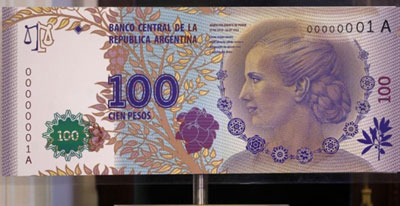
Argentina mulls benefits cut for dollar buyers

“Argentina’s government is studying the possibility of removing public service subsidies from residents who buy dollars as part of the latest effort to protect the peso after a sharp devaluation last month. The idea is to strip subsidies that keep the costs of electricity, gas, water and other public services down for those who buy dollars for savings. ‘It is not fair that we subsidize electricity and gas for those that can save 20 percent of their salaries to buy dollars,’ Fernandez said. Fernandez said wealthier residents are buying the fewest dollars for savings since it is ‘more profitable’ to invest in other assets, including properties and businesses.”
http://www.worldbulletin.net/news/128338/argentina-mulls-benefits-cut-for-dollar-buyers
Dad Can’t Buy Daughter Shoes as Argentine Currency Falls

“Argentines see their standard of living falling as the fastest pace of inflation in a decade erodes their purchasing power and confidence in President Cristina Fernandez de Kirchner’s economic policies. Last month’s 19 percent devaluation of the peso, which drove up prices on products from cars to refrigerators, highlights Fernandez’s dilemma. In a series of Twitter posts from a summit in Havana last month, Fernandez said banks, importers and exporters were behind ‘speculative’ movements in the markets, without giving more details. Sales of imported luxury cars rose, as Argentines sold dollars on the black market and then bought the cars at the official exchange rate, saving 40 percent.”
Bill Bonner: Stay Away from Obama’s MyRAs…
“Japan’s government bonds were bought by its own old people (or their pension funds). They put their savings in the safest possible place – government bonds – to be used to finance their retirements. How will the Japanese government make good on all these bonds? The answer is the same as the answer to this question: How will this debt-financed hullabaloo turn out? Simple: Japan will stiff its own grey-haired creditors – either by inflation or by default. Argentina, by the way, is already ahead of the game. It nationalized private retirement funds – to ‘protect’ them, of course. And now, the president aims to ‘protect’ US retirees in the same way.”
http://www.bonnerandpartners.com/stay-away-from-obamas-myras/
Bill Bonner: The US Economy Is Growing Much Slower Than You Think
“The Journal quotes Bill Simon, Wal-Mart’s USA CEO: ‘I never cease to be amazed at the American consumers. They figure out a way to make it work…’ We are not so much amazed as appalled. We are not so much reassured at this recovery, however weak, as we are alarmed by it. Where did consumers get the money? They didn’t earn it. So, they had to run down their balance sheets, either by spending their savings… or taking on debt. That makes this a new kind of growth: The more you grow the poorer you get. The economy used to grow by making people wealthier. Now, consumers go further into debt, while their incomes are stagnant or falling.”
http://www.bonnerandpartners.com/the-us-economy-is-growing-much-slower-than-you-think/
Bill Bonner: Is the Greatest Bull Market of All Time Now Over?
“Something important happened in the early 1980s. The healthy economy of the postwar period split in two – one real… one unreal. In one, people got rich. No special knowledge or skills were required. You just had to buy US stocks and wait. If you put in $100,000 in 1982, you’d have about $1,500,000 today. Or you could have made about the same amount from the bond market. Again, no sweat. But better even than buying stocks and bonds – much better – was selling them. This created a new class of rich people. A financial elite who got MBAs or degrees in math and finance and then went to work for Goldman Sachs, JPMorgan, Merrill Lynch and other Wall Street firms.”
http://www.bonnerandpartners.com/is-the-greatest-bull-market-of-all-time-now-over/
HSBC dumps small business accounts for multinationals

“Banking giant HSBC is dumping some of its small business clients in favour of those with more internationally-oriented profiles. Linda Bryan is the owner of a small pharmacy in White Rock, B.C., who has been banking with HSBC for 17 years. Recently, she received a letter from the bank informing her she has 60 days to transition to another financial institution. And she’s not alone. HSBC has been sending similar letters to small business owners in Canada and the United States for about a month. The bank will not say how many customers it is ridding itself of, but the number is large. The Canadian Federation of Independent Business says the move is unacceptable.”
Winklevosses to Submit Revised Bitcoin ETF to SEC

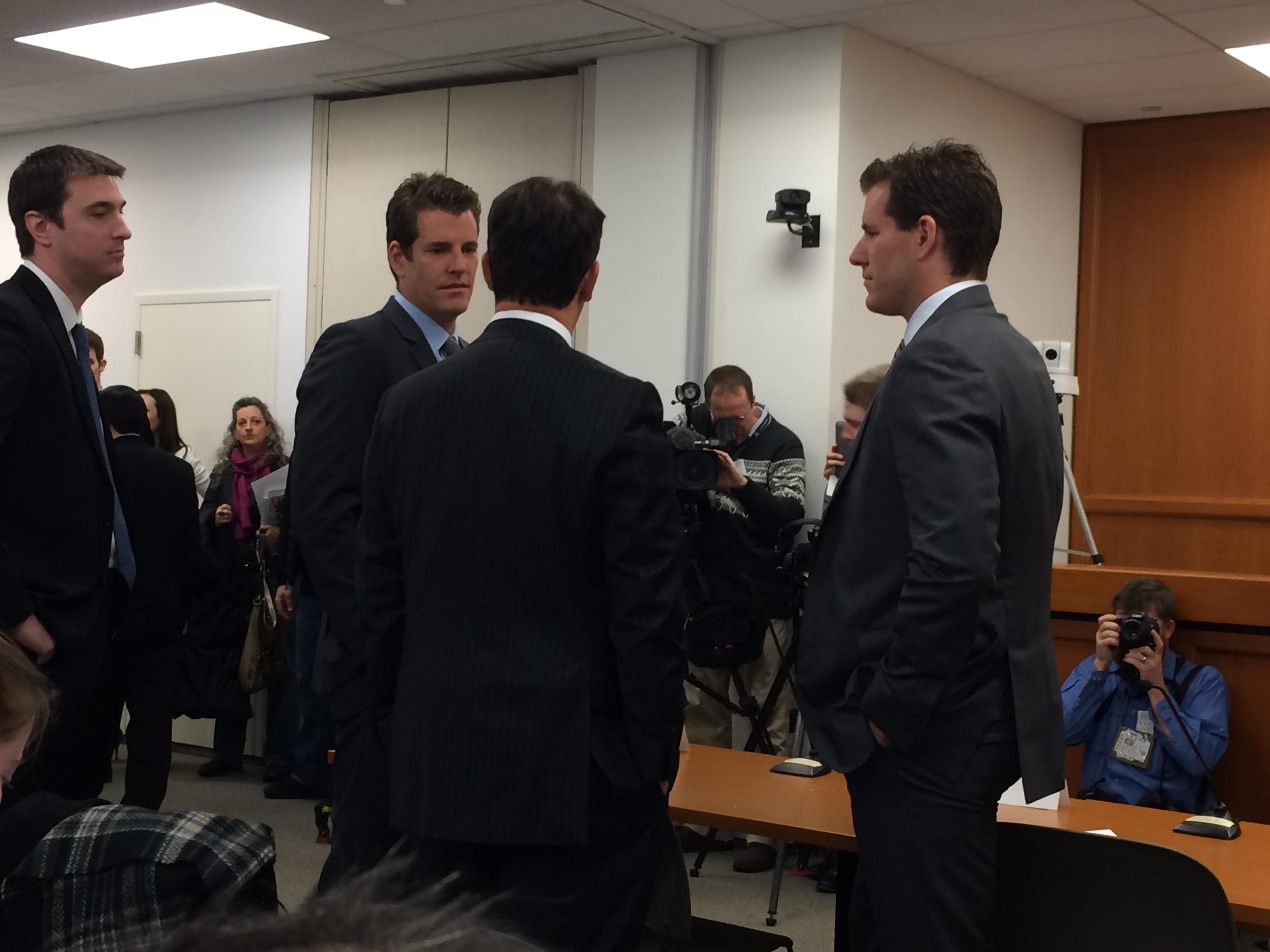
“Despite the legal challenges the Winklevosses face, SecondMarket has already succeeded at launching a bitcoin ETF known as the Bitcoin Investment Trust. One notable difference between the two funds, is that SecondMarket’s offering is only open to high-income, institutional investors. The original proposal for the Winklevoss ETF called for it to be traded publicly and open to general investors. Subsequent reports suggested that SecondMarket was able to bypass many regulatory hurdles by pursuing this demographic, and that even ETFs that deal in established commodities can face difficulties making it to a wider market.”
http://www.coindesk.com/winklevoss-to-submit-revised-bitcoin-etf-sec/
Bundesbank Floats Wealth Levy Idea for Future Crises
“Germany’s central bank Monday proposed a one-time wealth tax as an option for euro-zone countries facing bankruptcy, reviving a idea that has circled for years in Europe but has so far gained little traction. ‘The question arises whether in extraordinary national emergencies in addition to privatization and conventional consolidation efforts, private wealth can also contribute to avert a government insolvency,’ the Deutsche Bundesbank said. The idea of a one-time tax on private wealth isn’t new. Italy has flirted with the idea of a wealth tax over the past three years. The IMF in October also floated the idea of a one-time ‘capital levy,’ amid a sharp deterioration of public finances in many countries.”
http://online.wsj.com/news/articles/SB10001424052702304007504579346330639793674