“The report claims Ancestry complied with a 2014 search warrant to obtain a DNA sample from a site customer.”
Read more: https://www.local10.com/news/police-can-legally-use-23andme-other-ancestry-tools-to-obtain-your-dna

“The report claims Ancestry complied with a 2014 search warrant to obtain a DNA sample from a site customer.”
Read more: https://www.local10.com/news/police-can-legally-use-23andme-other-ancestry-tools-to-obtain-your-dna
” Under the proposed change, employees could face large tax bills before they realize the income from cashing in the stock options to pay them.”
Read more: http://www.latimes.com/business/la-fi-tax-bill-stock-options-20171114-story.html

“The idea that ‘strong security’ is compatible with a government backdoor is a lie. Any security expert can tell you that a backdoor leaves your product vulnerable, even if you trust the government agency with the key. Previous backdoors advocated by the US government have been blown wide open by security experts. There is near-universal agreement among security experts that government backdoors and security are not compatible – a reality that the DOJ continues to ignore.”
Read more: https://fee.org/articles/the-government-is-lying-to-us-about-cybersecurity/
“Silicon Valley firms are building surveillance and profiling tools to help government agents make sense of the massive amount of information available on social media and in publicly accessible data sets. Are they using cutting-edge technologies to keep Americans safe, or laying the groundwork for a police state?”

“The body cam of a fellow officer showed one officer picking up the small packet from the ground and placing it in the suspect’s wallet — before making a show of discovering it multiple times for the camera. According Shields’ attorney, Steve Levine, officer Lee seemed stunned when he was shown the video while on the witness stand, saying the officer, ‘Looked dumbstruck to me. Period. He had really no answer.’ According to an expert discussing how the body cams work, the officer may not have realized that the camera was running 30 seconds before he believed he activated it.”

“It will provide driver’s examinations via simulator, registration services, and feature advanced face-scanning technology developed by Tencent. Citizens will use their face as an ID Card. While the report wasn’t specific, it seems to indicate that those using the services won’t have to sit at stations and sign up for accounts, or download apps to generate logins. Image recognition AI will have access to all the pertinent information needed — it all sounds very elegant and smooth.”

“US Customs and Border Protection considers its jurisdiction to be anything within 100 miles of the border, so naturally one of the privacy questions for Americans is whether this tech would be deployed inside the United States. CBP did not respond to a request for comment on this story that was sent yesterday evening. We’ll update this post if we hear back.”
Read more: https://gizmodo.com/us-homeland-security-wants-facial-recognition-to-identi-1820070071

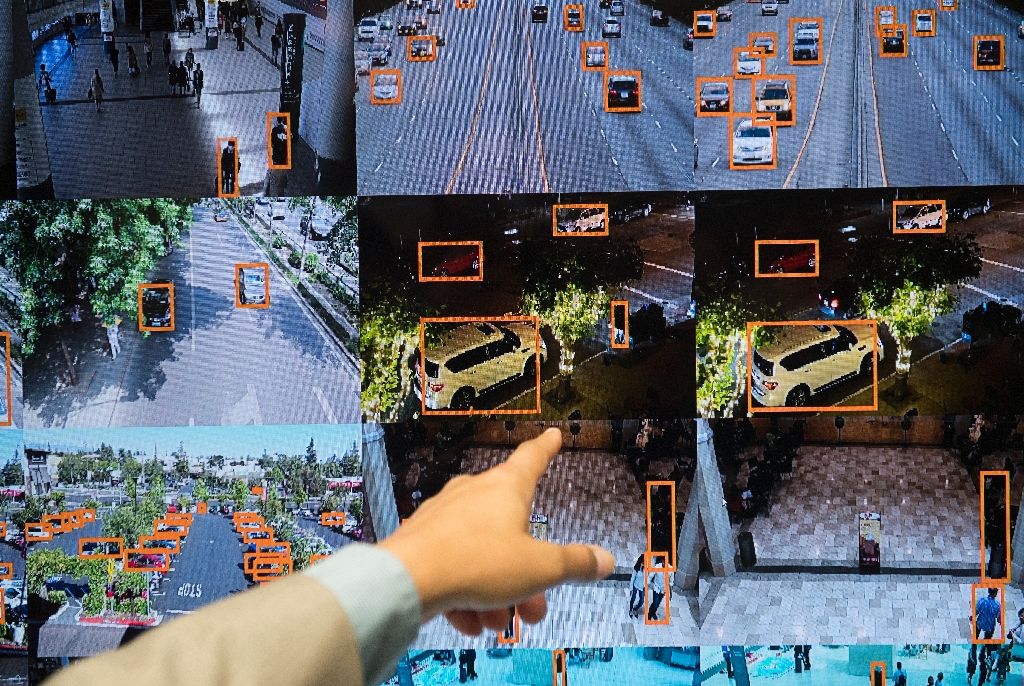
“Police in the US state of Delaware are poised to deploy ‘smart’ cameras in cruisers to help authorities detect a vehicle carrying a fugitive, missing child or straying senior. The program is part of a growing trend to use vision-based AI to thwart crime and improve public safety, a trend which has stirred concerns among privacy and civil liberties activists who fear the technology could lead to secret ‘profiling’ and misuse of data.”
Read more: https://www.yahoo.com/news/privacy-fears-over-artificial-intelligence-crimestopper-015326163.html

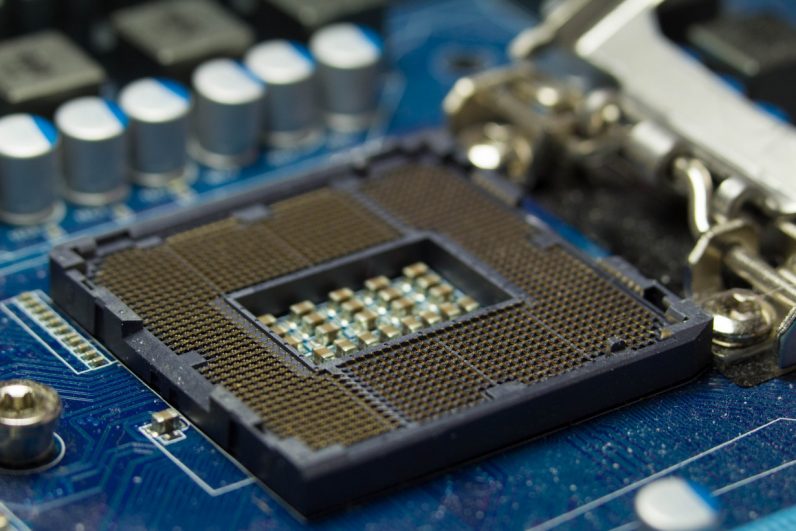
“The likes of the EFF have long argued that having a “black box” that can control networking and hardware, even when the computer is switched off, represents a major security and privacy risk. Turns out they were right. Security firm Positive Technologies reports being able to execute unsigned code on computers running the IME through USB. The fully fleshed-out details of the attack are yet to be known, but from what we know, it’s bad.”

“Appthority has discovered a significant data exposure vulnerability we’ve named Eavesdropper that affects almost 700 apps in enterprise environments. The vulnerability is caused by including hard coded credentials in mobile applications that are using the Twilio Rest API or SDK. By hard coding their credentials, the developers have effectively given global access to all metadata stored in their Twilio accounts, including text/SMS messages, call metadata, and voice recordings.”